A Minimalist Approach to Planning

- Minimalist planning means keeping only what helps you.
- Use a few core sections: monthly, weekly and notes.
- Limit daily tasks to a short, realistic list.
- Keep decoration and colors to a minimum so pages stay calm.
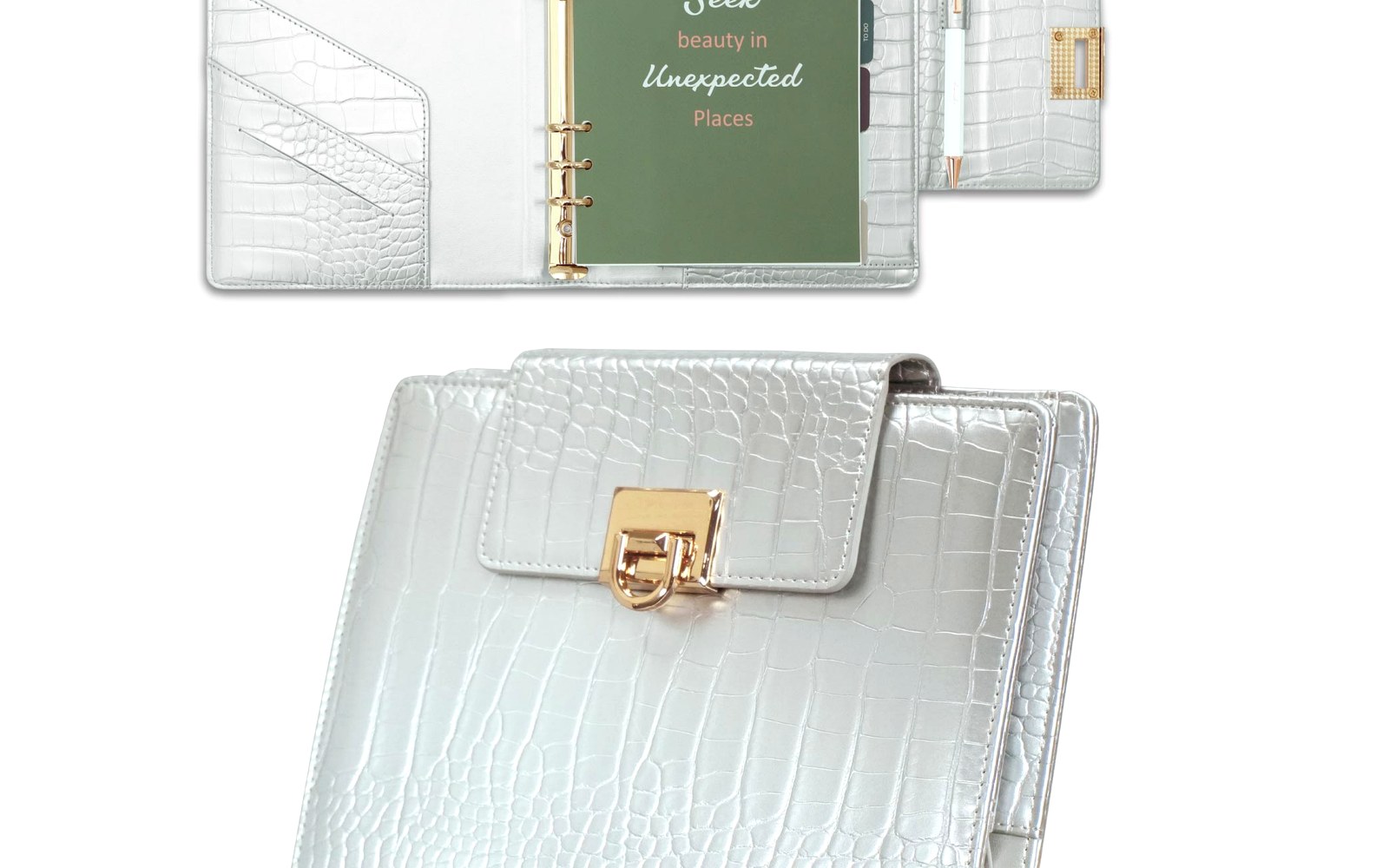
- Choose a planner with clean lines and a quiet, elegant finish.
Minimalist planning keeps only what helps: a few sections, a short daily list and clean pages that feel calm to open. Less structure often means more follow-through.
Start with three sections
Most people need only a monthly view for the big picture, a weekly page for tasks and appointments, and a notes section for everything else. Add a fourth section only after you have missed it for a few weeks. Daily, Weekly or Monthly Pages: Which to Use? can help you choose the essential ones.
Keep lists short
Write three priorities per day, and a small “if there is time” list if you must. A shorter list is easier to finish, and finishing builds momentum. For choosing well, see Deep-Work Focus Blocks in Your Planner.
One pen, one accent
Use one main pen and at most one accent color for priorities or deadlines. Clean pages are easier to scan and more restful to look at. Beautiful does not have to mean busy.
Clear out regularly
At the end of each month, remove finished pages and sections you did not use. With a refillable planner, this takes minutes and keeps the planner light and focused.
A calm cover to match
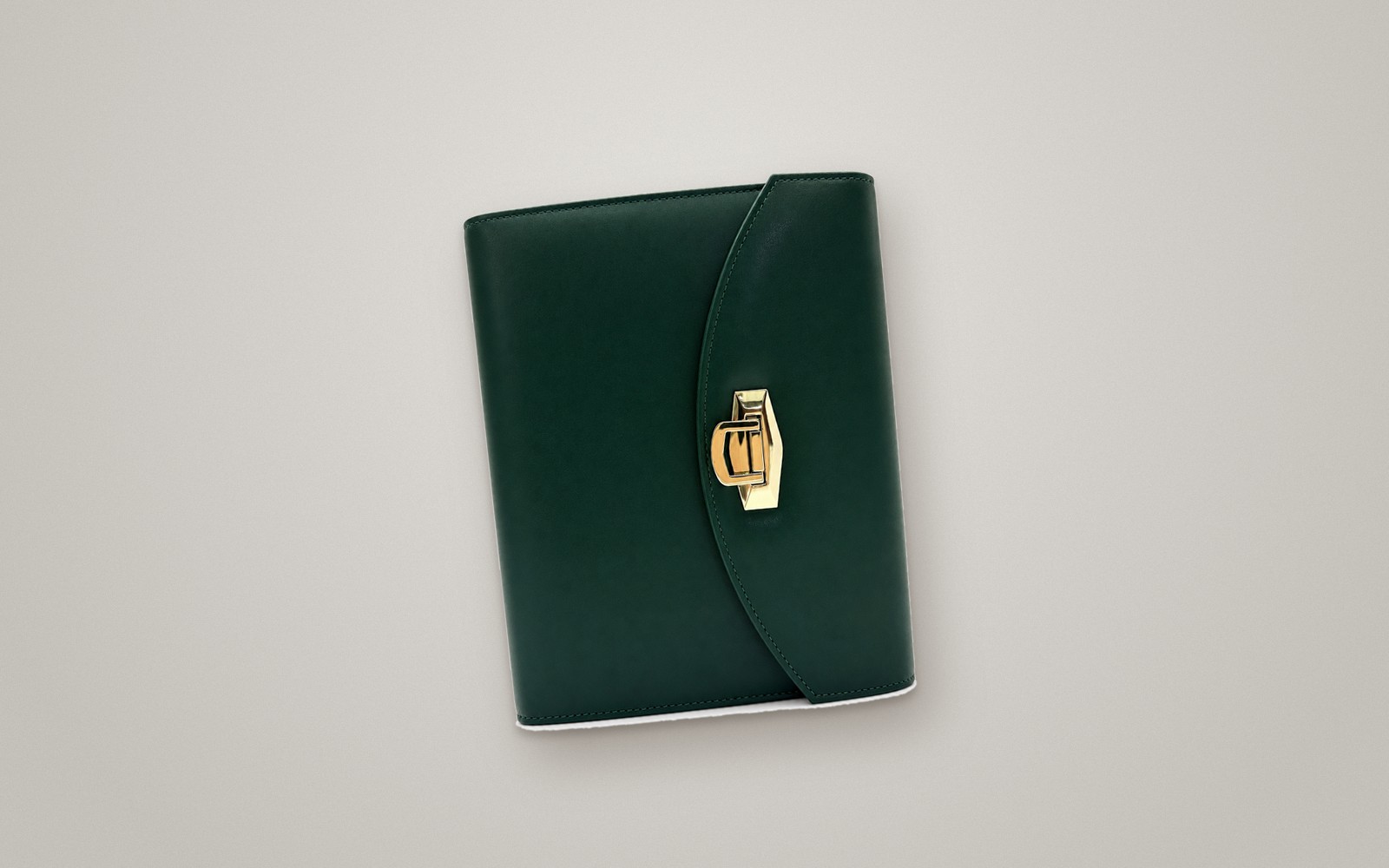
Minimalism works best with a planner that feels quiet and elegant. The Terence brings composed, clean lines; neutral tones of L’Éclair and The Croco also suit a pared-back wardrobe. A tidy desk setup completes the look.
Minimal does not mean rigid
If a busy week needs more notes, add them. Minimalism is about intention, not rules. Ask yourself once a month: What can I remove so the important things stand out?
A minimalist weekly page
Try this layout: a short list of fixed appointments at the top, three priorities for the week, one line per day for the day’s main task and a small notes space at the bottom. That is enough for most weeks — clear enough to scan in seconds and quiet enough to enjoy. For timing your weekly review, see Sunday Reset: A Simple Weekly Review.
Where to find EGOSUNNY
Confirm the latest details on the official product page for your market before you buy — sizes, materials, page counts, accessories and colors can differ by version and region. Availability varies by marketplace and season; use the listing for your region for current options.
Plan less, notice more, finish what matters.